
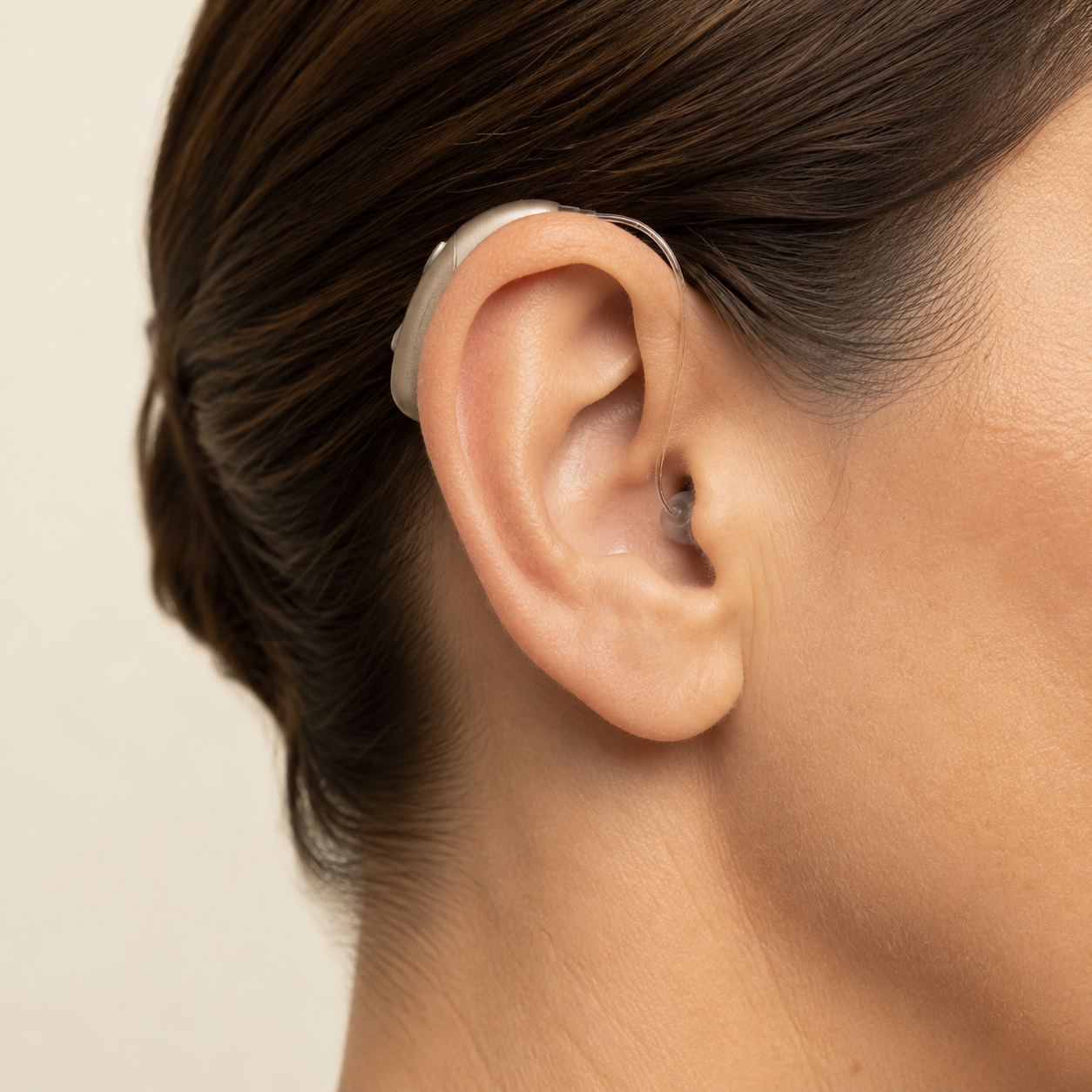
Receiver-in-canal (RIC)
A small case rests behind the ear while a thin wire carries sound to a receiver in the ear canal. RIC devices are common because they can be discreet, flexible, and suitable for many hearing-loss patterns.
Independent hearing-aid guidance
A clear, independent education center for understanding hearing-aid styles, technology, fitting, costs, and the adjustment process. This information supports a conversation with a qualified hearing-care professional; it is not a diagnosis or a product recommendation.
Find a hearing-care professionalAudiology.md provides educational information and does not sell hearing aids. If a future guide includes a commercial relationship, sponsorship, or affiliate link, it will be clearly labeled before you click.

The best style depends on your hearing needs, ear anatomy, dexterity, lifestyle, and personal preferences. A hearing evaluation and fitting discussion can help narrow the options.
A small case rests behind the ear while a thin wire carries sound to a receiver in the ear canal. RIC devices are common because they can be discreet, flexible, and suitable for many hearing-loss patterns.
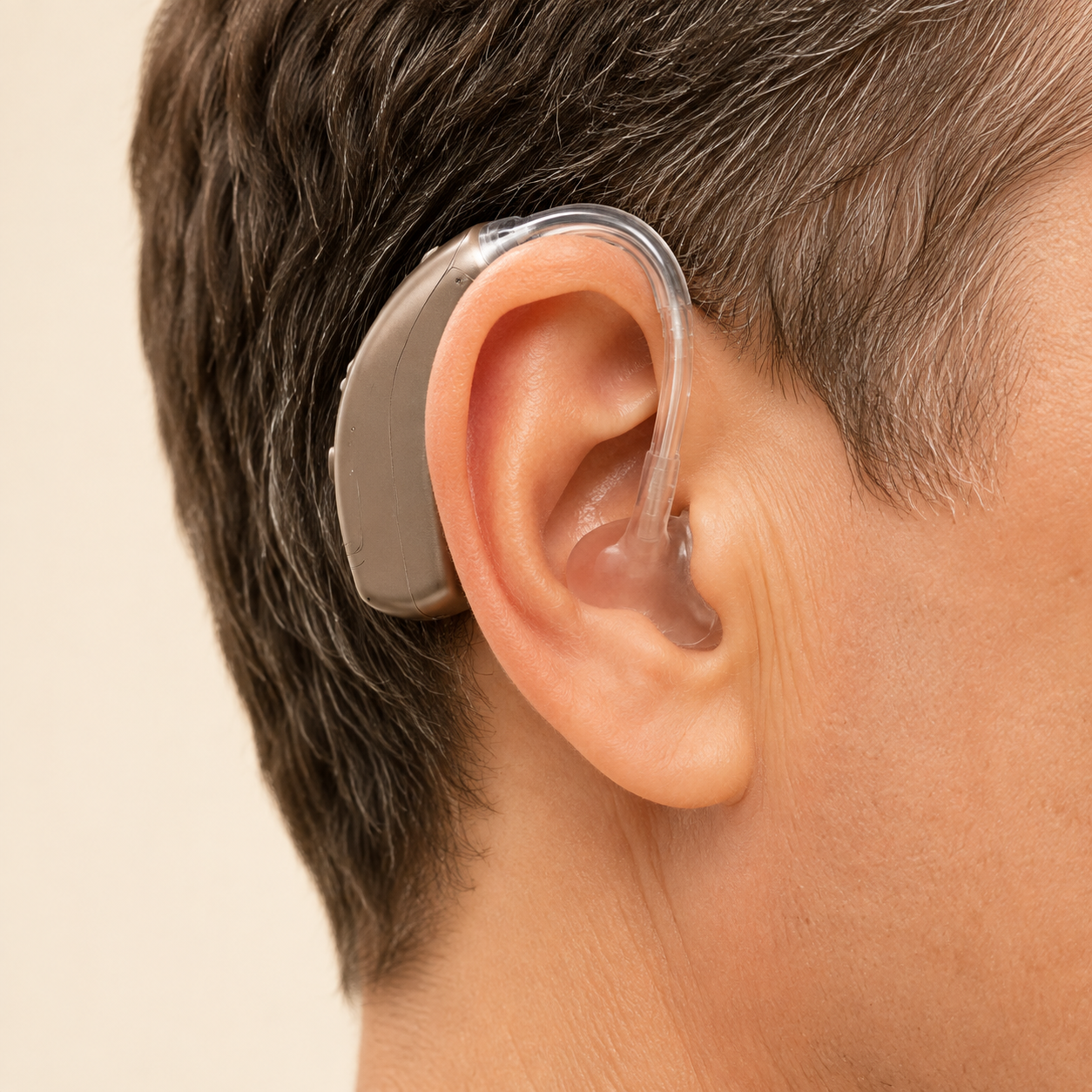
The electronics sit in a case behind the ear and connect to an earmold or slim tube. BTE styles can offer durable handling, room for larger batteries, and options for a broad range of hearing needs.
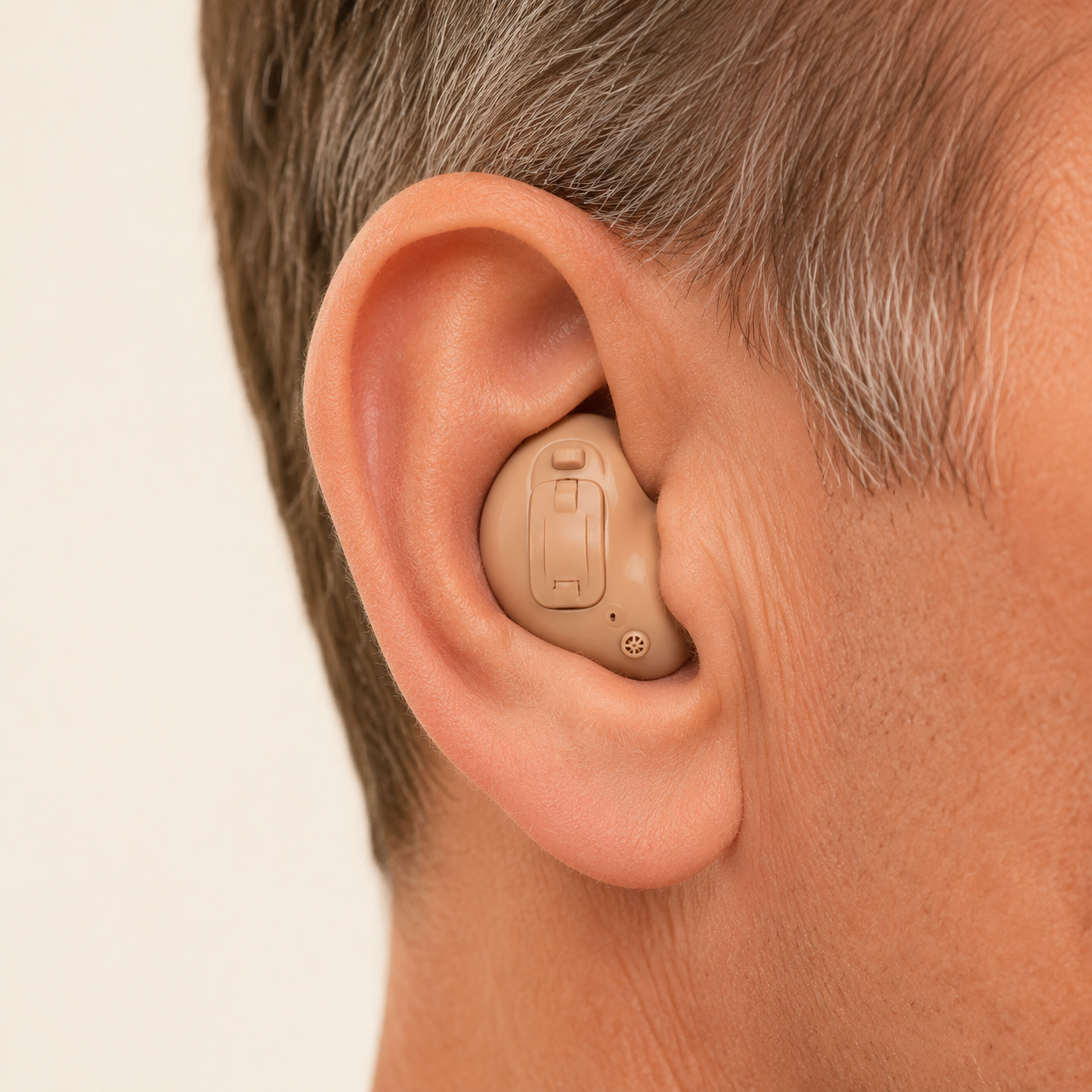
A custom shell fills part of the outer ear. ITE devices can be easier to handle than smaller custom styles and may include useful controls, depending on the design.
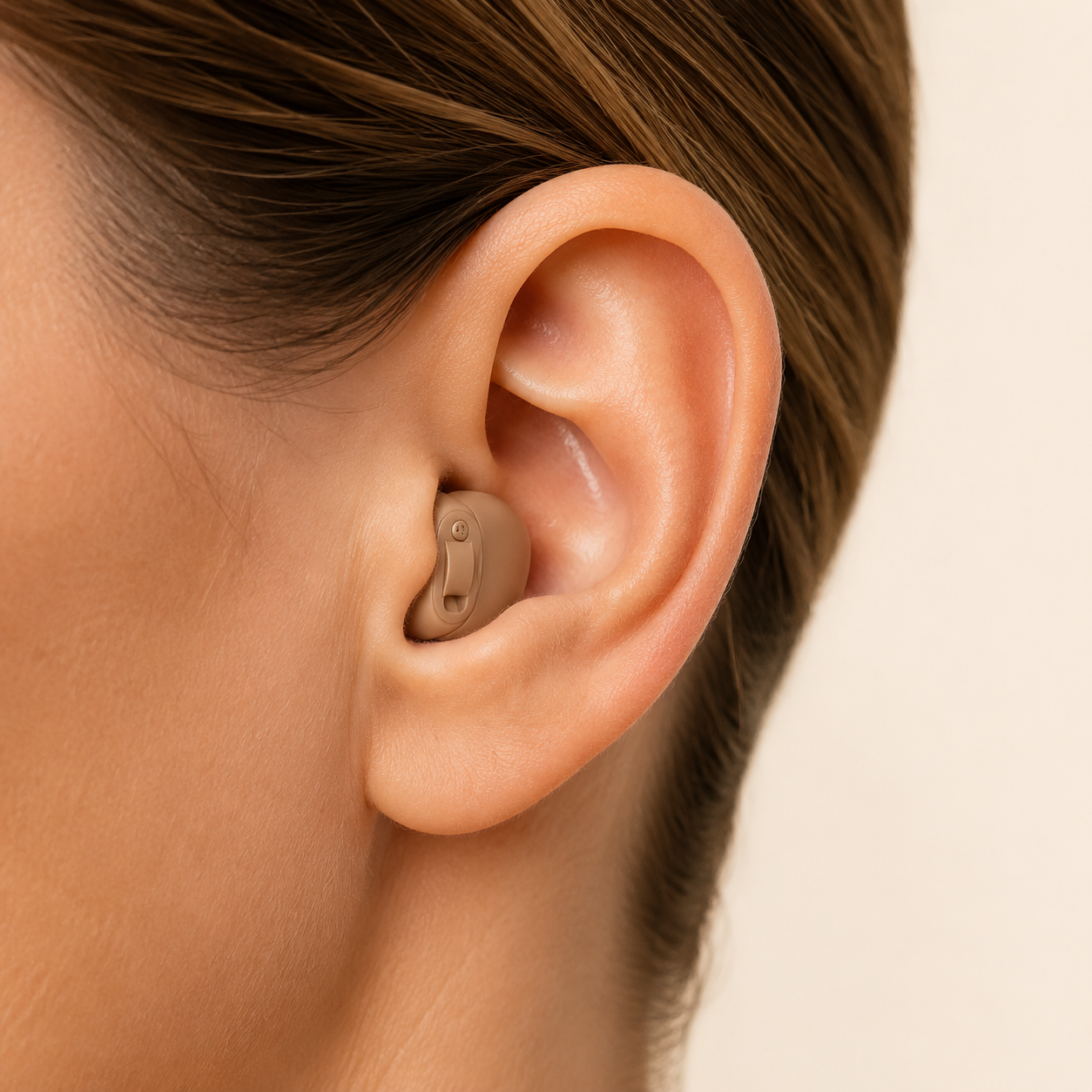
A custom device sits mainly within the ear canal, with a smaller portion visible in the outer ear. ITC devices are less visible than ITE styles but may still accommodate certain controls and features.
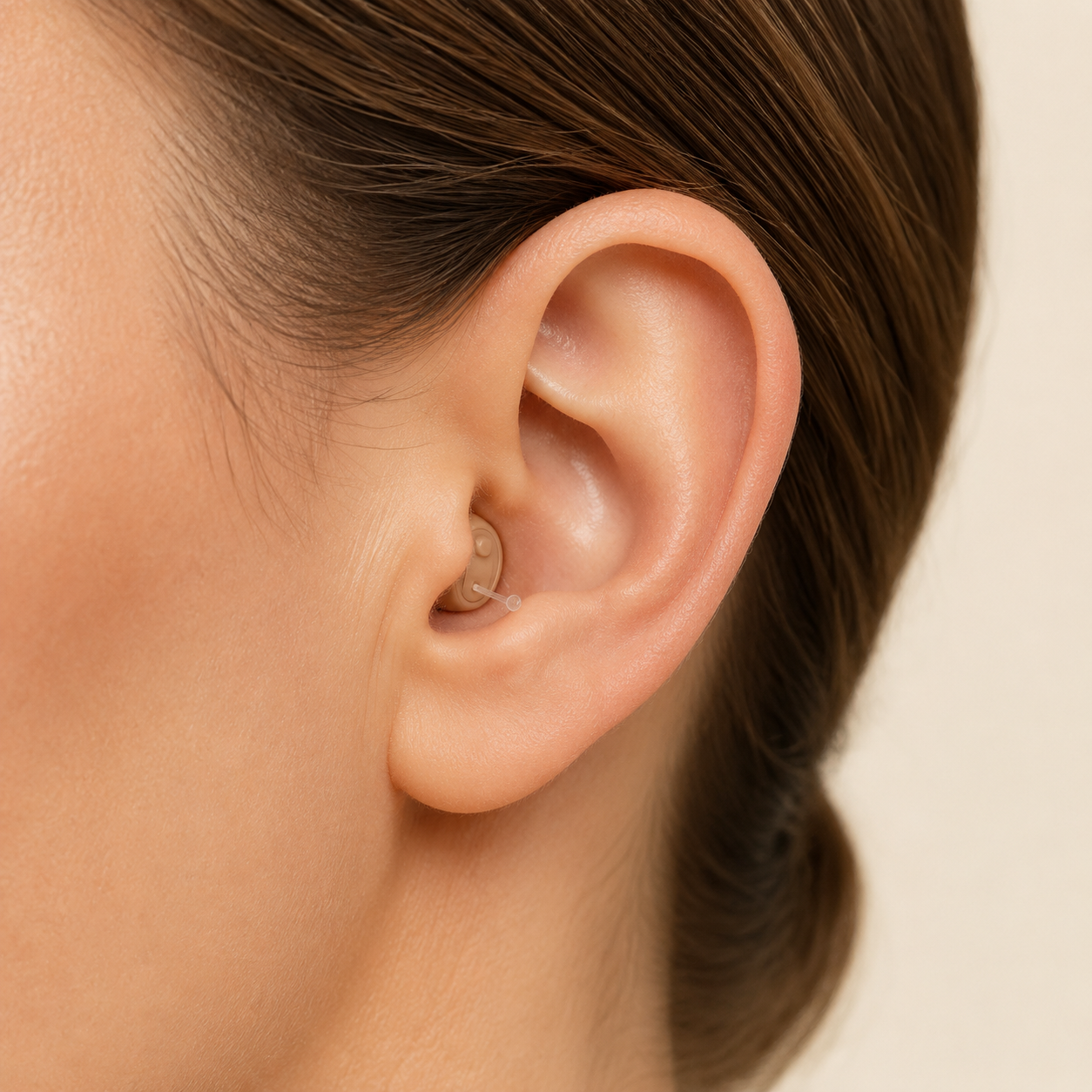
A custom device sits deep in the ear canal for a low-profile appearance. Its small size can limit battery capacity, controls, and suitability for some ear shapes or hearing needs.
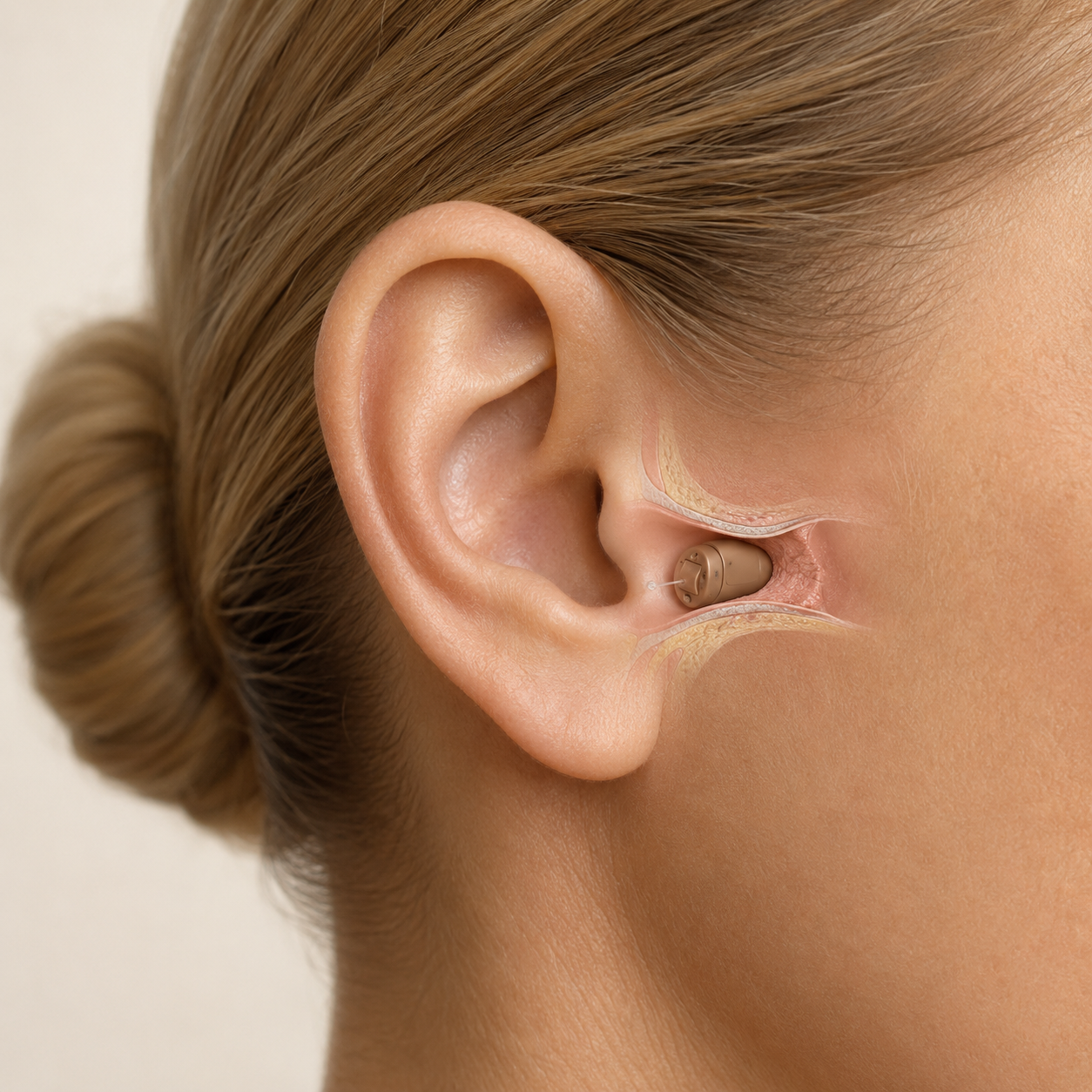
A very small custom device sits deeply within the ear canal for a highly discreet appearance. Ear anatomy, dexterity, hearing needs, battery capacity, and maintenance requirements can affect suitability.
A professional evaluation can help clarify whether hearing technology is appropriate and whether a medical assessment should come first.
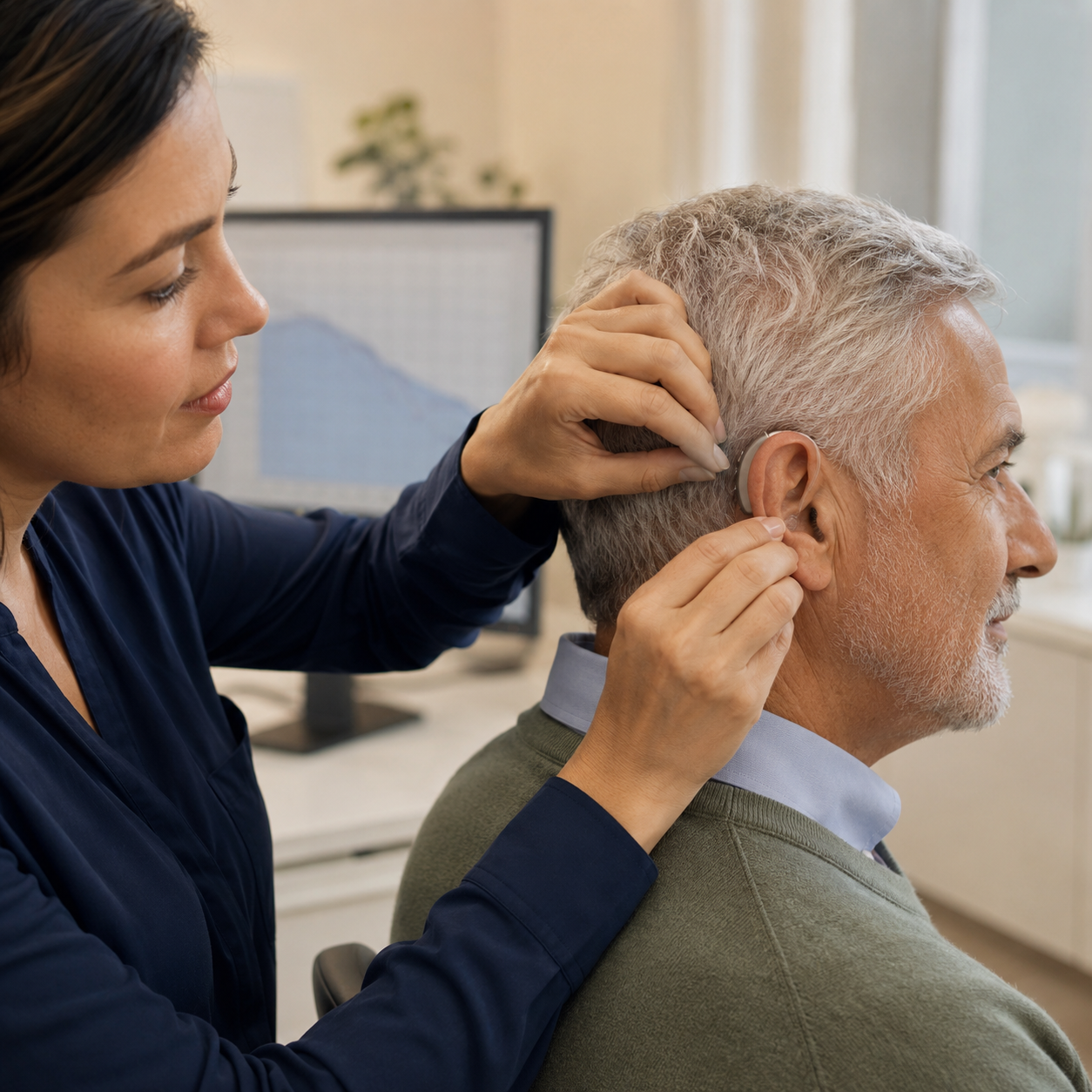
These are selected and fitted with professional involvement. They may be appropriate when you need a comprehensive evaluation, customized programming, medical referral, or ongoing support.
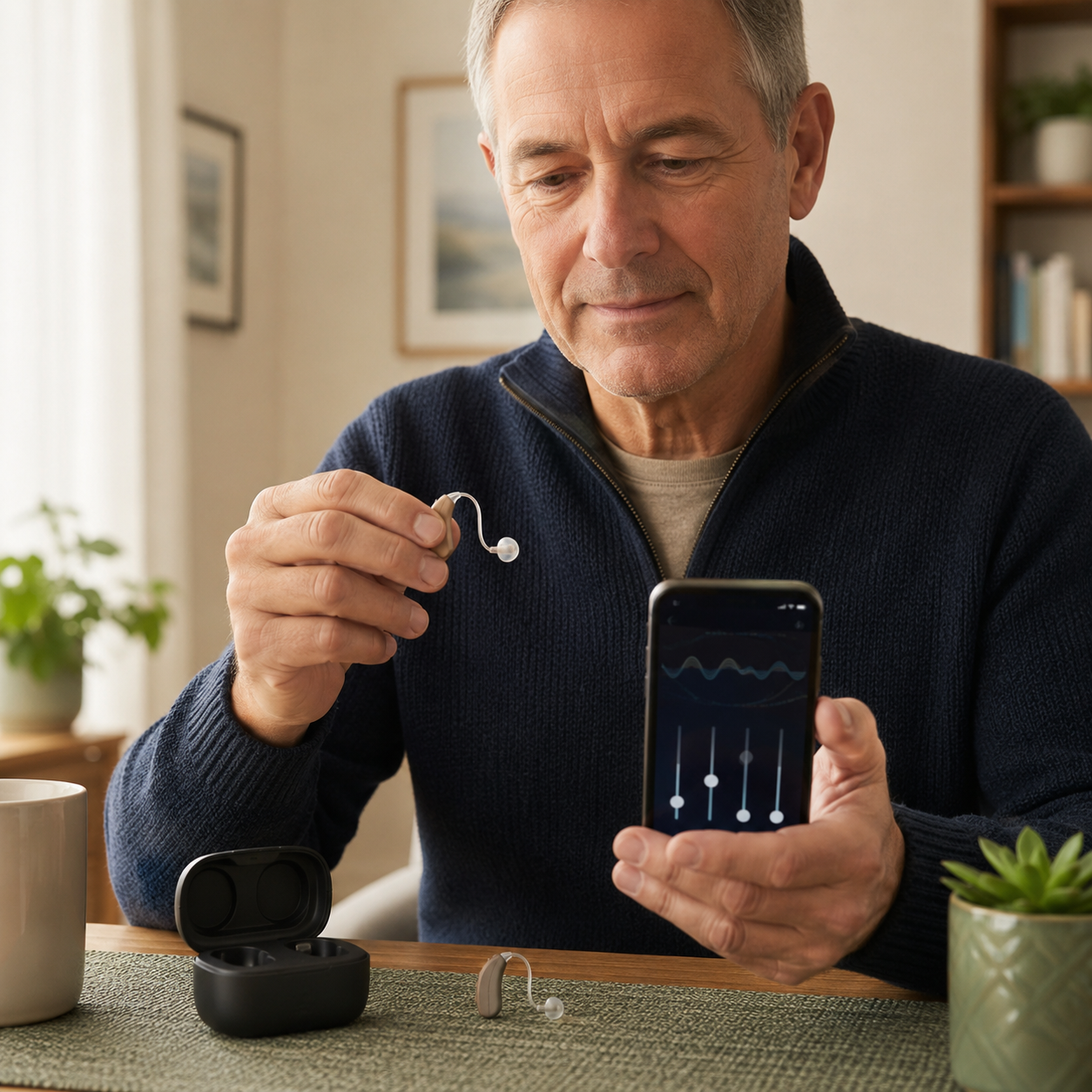
In the United States, OTC hearing aids are intended for adults with perceived mild to moderate hearing loss. They are not designed for children or for every hearing concern. Sudden hearing changes, one-sided symptoms, pain, drainage, dizziness, or other red flags deserve medical attention rather than self-treatment.
Features can improve convenience and listening comfort, but no single feature is right for everyone. Ask how each option relates to your own listening goals.
Help emphasize sound from in front of you in some listening situations, such as conversation in a busy restaurant.
Uses processing strategies to reduce the impact of certain background sounds. It may improve comfort, but it cannot remove all noise or make every conversation effortless.
Helps reduce whistling or squealing that can occur when amplified sound leaks from the ear.
Can connect with compatible loop systems in some public venues and may support clearer listening in specific settings.
Some devices allow volume, program, or support adjustments through an app or remote care service. Ask what support is included and how privacy is handled.
Ratings vary. Resistance can help with everyday exposure, but it does not mean every device is waterproof or safe for swimming.
Rechargeable models use a charging case or dock instead of disposable batteries. They can simplify daily use, but it is worth asking about charge time, expected daily runtime, and travel options.
Many modern devices can stream calls, media, or audio from compatible phones and accessories. Compatibility, hands-free calling, and control options vary by device and phone.
Hearing-aid brands differ in styles, software, service models, accessories, and warranty terms. Brand names alone do not determine the best choice. A useful comparison focuses on your hearing needs, fit, support, repair process, connectivity, and total cost of ownership.
Audiology.md does not rank brands or recommend a specific manufacturer. Any future paid placement, sponsorship, or affiliate relationship will be disclosed clearly.
Hearing-aid pricing can include the devices, professional evaluation, fitting, programming, follow-up visits, warranty coverage, accessories, and repair support. Ask for a written breakdown so you can compare the full care package, not only the device price.
Coverage varies widely by plan, employer, state, and benefit period. Contact your insurer and ask about hearing-aid allowances, network requirements, prior authorization, and replacement timing.
Some practices and retailers offer payment plans. Review the full terms, including interest, fees, payment schedule, and what happens if you return the devices.
Ask how long you have to try the devices, what return or restocking fees may apply, and what follow-up support is included during the trial.
A hearing aid is not simply turned on. Professional fitting and follow-up can shape how well it supports your daily communication.
Programming is tailored to your hearing test, comfort, speech understanding, and listening goals. Early settings may be adjusted gradually as you adapt.
Real-ear measurement uses a small probe microphone to check how sound is delivered in your ear while you wear the device. It can help verify that amplification is meeting a prescribed target.
Plan for follow-up visits to discuss real-world listening experiences, make adjustments, review cleaning, and address fit or connectivity concerns.
Your brain may need time to adapt to amplified sound. Your own voice, environmental sounds, and speech in noise can feel different at first.
Use the devices in a range of everyday situations and keep notes about what helps or feels difficult. Specific examples make follow-up programming more useful.
Face the speaker, reduce competing noise when possible, ask for clarification, and use captions or assistive listening tools when helpful.
Follow the manufacturer and clinician guidance for cleaning, wax guards, charging or batteries, moisture care, and safe storage. Do not use tools or liquids that are not recommended for your device.
A qualified audiologist or hearing-care professional can help you understand your hearing evaluation, compare appropriate options, and plan fitting and follow-up care.
Find a providerHearing aids may not be appropriate for every hearing concern. Seek prompt medical care for sudden hearing loss, ear pain, drainage, severe dizziness, facial weakness, or other urgent symptoms.